

Twitter used to be a lifeline for sex workers. It was free, public, and easy to use-perfect for posting updates, sharing availability, and connecting with clients without paying for ads or middlemen. But over the last two years, things changed fast. Account suspensions became random. Direct messages vanished. Payments got blocked. And for many, the platform stopped feeling like a tool and started feeling like a trap. One sex worker in Manchester told me she lost five accounts in eight months. Each time, Twitter said it was an "automated policy violation." No appeal. No explanation. Just gone.
Some turned to alternative platforms like Patreon or OnlyFans, but those come with fees, strict content rules, and payment holds. Others moved to Telegram or Discord, where moderation is looser but harder to find. A few still post on Instagram, but even that’s risky-algorithm changes wipe out reach overnight. For those who relied on Twitter to reach clients in cities like London, the loss hit hard. If you’re looking for a girl escort in london, you might find listings still up, but the conversation has moved offline. The old Twitter networks? Mostly gone.
How Twitter’s Policies Changed Overnight
Before 2023, Twitter’s rules around adult content were vague but loosely enforced. As long as you didn’t post explicit photos or use certain words, you were fine. That changed after Elon Musk took over. In early 2023, the platform rolled out a new policy: no sexual services of any kind, even if they were legal in the user’s country. The wording was broad. "Sex work" wasn’t defined. "Promotion of sexual services" was interpreted to include anything from a profile bio saying "available for companionship" to a tweet saying "DM for rates."
Automated systems flagged posts based on keywords like "escort," "date," "companionship," or even "coffee date." Many users didn’t even realize they’d broken a rule until their account was suspended. Some had been using the same handle for over a decade. Their entire client base, reviews, and reputation-all wiped. No warning. No chance to archive data. Just silence.
The Financial Impact
For sex workers, Twitter wasn’t just social media-it was a business platform. Many used it to book appointments, share testimonials, and even negotiate prices. Some built full-time incomes from it. One woman in Bristol told me she made £3,000 a month just from Twitter clients. After her third suspension, she had to take a job at a call center. She’s now earning half as much and working 60-hour weeks.
Platforms like OnlyFans take 20% of earnings. PayPal and Stripe routinely freeze accounts linked to adult content, even if the work is legal. Stripe banned sex workers outright in 2022. PayPal followed in 2023. That meant even if someone found a new platform, they couldn’t get paid. Banks refused to open accounts for people who admitted to sex work. Credit cards got declined. Rent payments bounced. Some lost their homes.
Why Alternatives Don’t Work as Well
Telegram became popular after Twitter collapsed. It’s encrypted. No moderation. Easy to share photos and schedules. But here’s the catch: it’s not discoverable. On Twitter, you could be found by searching hashtags like #escortlondongirl or #londonsexworker. On Telegram, you need to be invited. You need to know someone who knows someone. New workers have no way in.
Discord servers popped up, but they’re often run by strangers. Scammers set up fake groups promising "safe spaces"-then stole passwords or demanded upfront payments. Reddit tried to step in with niche communities, but moderators were pressured to shut them down. Even niche forums like Fiverr or Backpage clones got taken offline after payment processors threatened legal action.
The result? A fragmented, underground network. Workers now rely on word-of-mouth, encrypted apps, and private WhatsApp groups. It’s safer, but it’s also slower. Fewer clients. Less income. More stress.
The Human Cost
It’s not just about money. It’s about safety. On Twitter, sex workers could warn each other about dangerous clients. They shared screenshots of suspicious DMs. They posted names of people who didn’t pay or tried to assault them. That collective safety net vanished. Now, if someone has a bad experience, they often keep quiet. No one to warn. No one to turn to.
One worker in Glasgow said she was assaulted last year. She wanted to post a warning, but she didn’t know where. She didn’t trust anyone online anymore. She didn’t report it to police-she didn’t think they’d care. So she just stopped working for three months.
Therapists and NGOs who work with sex workers say mental health issues have spiked since 2023. Anxiety. Depression. Suicidal thoughts. Many say the isolation of losing their online community was worse than any legal risk.
What’s Left?
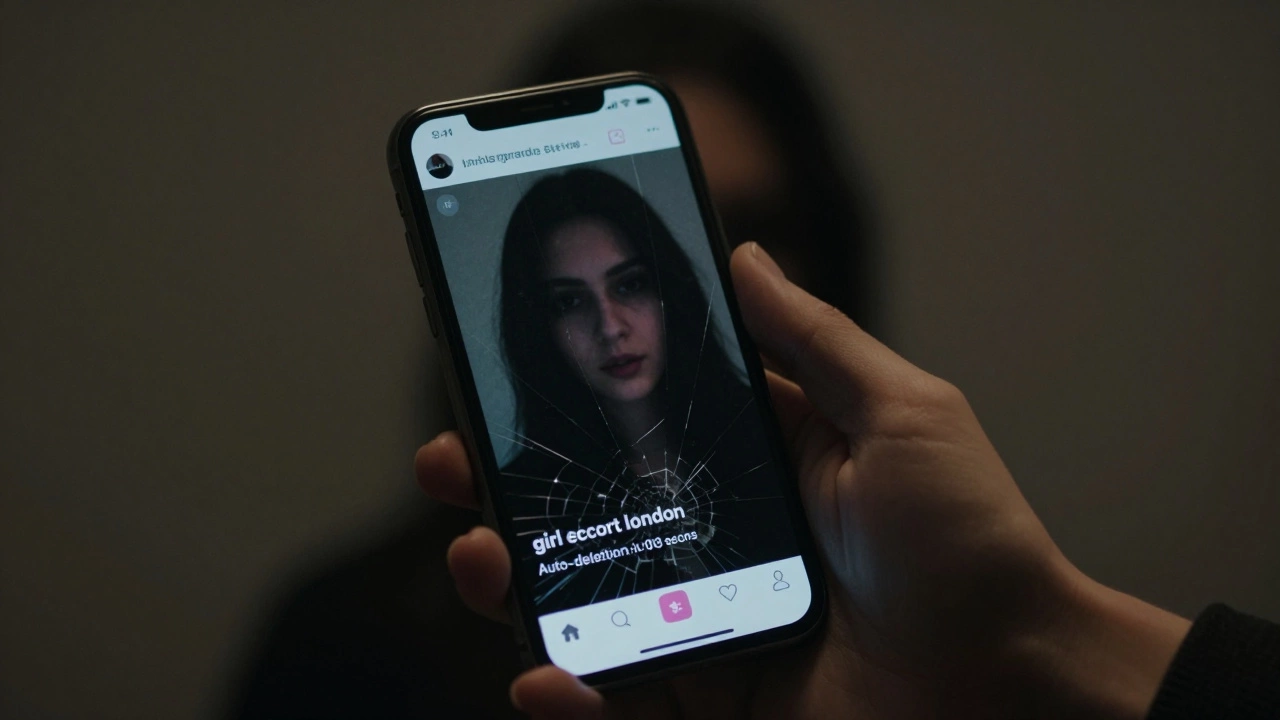
Some sex workers have gone completely offline. They use flyers, local bulletin boards, or trusted friends to pass along contact info. Others moved to apps like Feeld or Taimi, which allow adult content but have smaller audiences. A few still post on X (the rebranded Twitter), but they use coded language-"dinner date," "private tour," "lifestyle consultant"-hoping the algorithm won’t catch them. One woman in Brighton says she now uses "girl escort london" in her bio, but only in a private Instagram story that auto-deletes after 24 hours.
There’s no perfect solution. Every platform has rules. Every payment system has limits. Every app has a corporate owner who might change their mind tomorrow. The only thing that hasn’t changed? The need for sex workers to connect, earn, and stay safe.
What Could Be Done?
Sex workers aren’t asking for special treatment. They’re asking for fairness. They want platforms to define what’s banned-and stick to it. They want appeals that actually work. They want payment processors to stop punishing legal work. They want to be treated like any other small business owner.
Some groups in Canada and New Zealand are pushing for legal recognition of sex work as a legitimate profession. In places where it’s decriminalized, like parts of Australia, workers have better access to banking and legal protection. But in the UK, where soliciting is illegal and advertising is restricted, the situation stays grim.
Until policies change, the best advice for sex workers is simple: diversify. Don’t rely on one platform. Don’t trust one payment method. Build your own website. Use encrypted messaging. Keep backups. And know your rights.
For clients? The same rules apply. If you’re looking for companionship, be cautious. Verify identities. Avoid anyone who asks for money upfront. And remember: the people you’re connecting with aren’t just profiles-they’re real humans trying to survive in a system that keeps pushing them out of sight.
Twitter didn’t just ban sex workers. It erased a community. And no one’s come in to replace it.